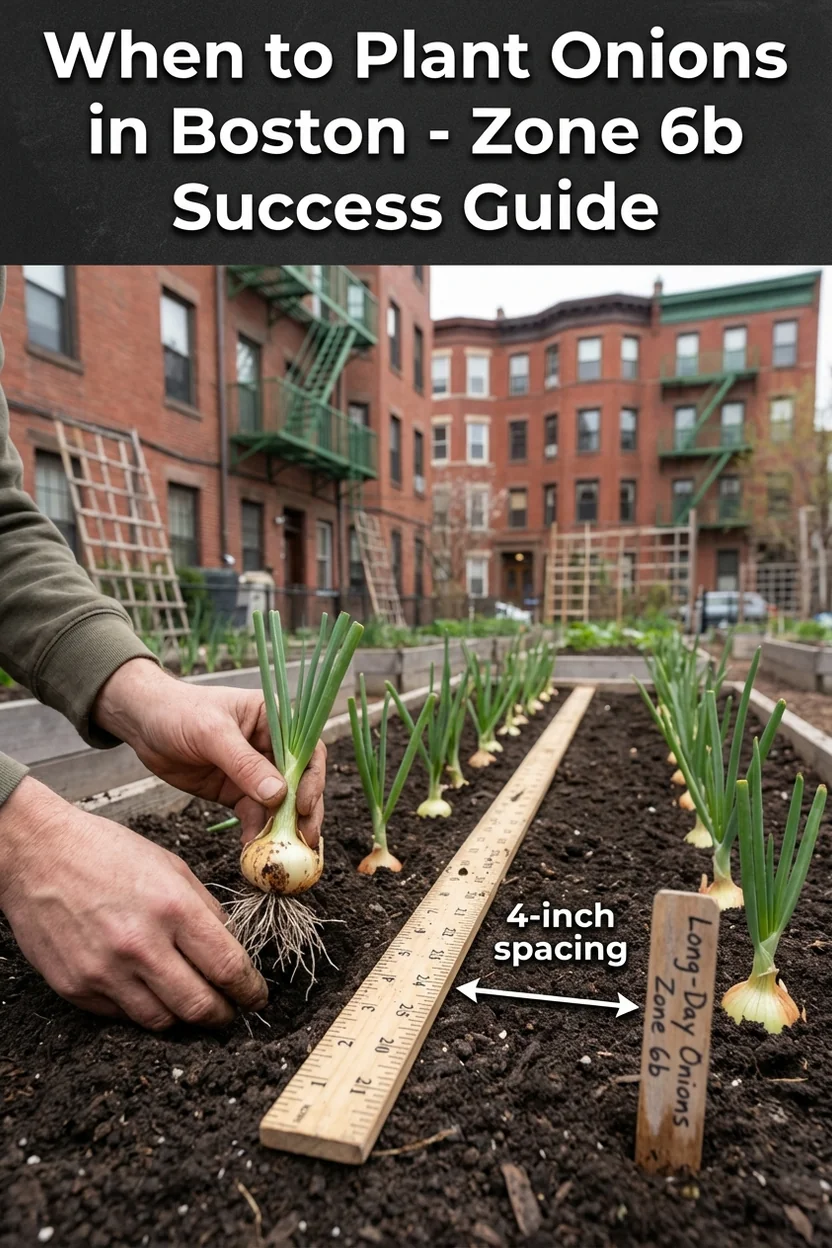
When to Plant Onions in Boston: Complete Guide + Best Varieties
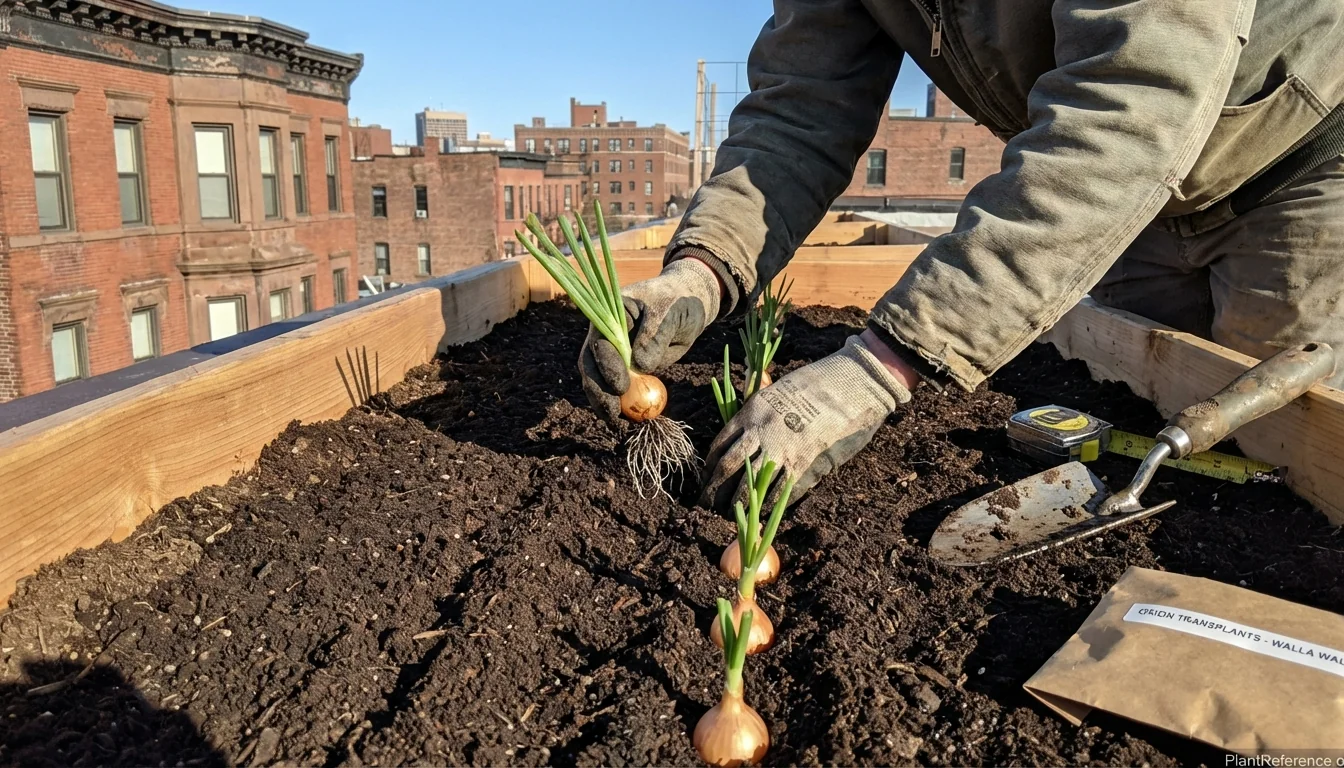
Walla Walla Sweet Onion Sets
($12-18)— Perfect long-day variety for Boston's latitudeWalla Walla Sweet Onion Sets - 1 lb bag
https://www.burpee.com/vegetables/onions/onion-sets-walla-walla-sweet-prod001234.html
Premium quality dormant onion sets selected for Boston's Zone 6b climate. These long-day sets produce sweet, mild onions perfect for fresh eating through late summer. Each set is sized smaller than a dime to prevent bolting issues common with large sets. Plant April 5-26 for best results in Massachusetts. Produces bulbs 4-5 inches across when grown in amended soil with consistent moisture.
Price: $12.95-$17.95
Red Wing Storage Onion Plants
($14-22)— Best storage variety for Boston wintersRed Wing F1 Hybrid Onion Transplants - 60 count
https://dixondalefarms.com/product/redwing-onion-plants/
Professional-grade onion transplants specifically grown for long-term storage in New England climates. Red Wing produces deep red bulbs with excellent keeping quality, storing 8-10 months when properly cured. Disease-certified transplants establish quickly in Boston's clay soil. These long-day onions suit Massachusetts latitude and develop intense flavor ideal for cooking. Plant 1 inch deep, 4 inches apart for maximum bulb development.
Price: $14.50-$21.95
Music Hardneck Garlic Bulbs
($16-24)— Premium hardneck variety for Zone 6bMusic Garlic Bulbs for Planting - 1/2 lb
https://www.groworganic.com/products/music-garlic-bulbs
Music hardneck garlic produces large bulbs with 4-6 jumbo cloves, perfectly adapted to Boston's Zone 6b winters. This porcelain-type garlic requires cold vernalization making it ideal for Massachusetts fall planting. Plant cloves October 15-November 5, harvest July for maximum bulb size. Excellent storage life (6-9 months) and complex flavor ranging from spicy when raw to sweet when roasted. Each bulb weighs 2-3 ounces with tight, white wrapper skins.
Price: $16.95-$23.95
Onion Storage Mesh Bags
($8-15)— Essential for proper Boston storage conditionsProduce Storage Mesh Bags - Set of 6
https://www.amazon.com/dp/B087QRSTUVW
Heavy-duty mesh bags designed for long-term onion storage in basement conditions typical of Boston homes. Allows proper air circulation while protecting from light exposure that causes sprouting. Each bag holds 10-15 pounds of cured onions with drawstring closure for easy handling. Machine washable and reusable for multiple seasons. Essential for storing Red Wing and other storage varieties through Massachusetts winters in 32-40°F basements or garages.
Price: $8.95-$14.95
Soil Thermometer for Spring Planting
($12-18)— Know exactly when to plant in BostonLong Stem Soil Thermometer - 8 inch probe
https://www.johnnyseeds.com/tools-supplies/thermometers/soil-thermometer-7147.html
Professional-grade soil thermometer with 8-inch stainless steel probe for accurate temperature readings in Boston's variable spring conditions. Large, easy-read dial shows precise temperatures from 20-180°F. Essential for timing onion planting when soil reaches consistent 50°F in early April. Durable construction withstands repeated use in clay soil conditions typical of Boston area. Includes protective sheath and care instructions for season-long accuracy.
Price: $12.50-$17.95
When exactly should I plant onions in Boston?
What onion varieties grow best in Boston's Zone 6b climate?
Can I plant onions in fall in Boston?
Why are my Boston onions not forming bulbs?
How do I prepare Boston's clay soil for onions?
When should I harvest onions in Boston?
How do I store onions through Boston winters?
Think you know your plants?
Test your botanical knowledge with a new plant identification challenge every day. Build your streak, learn fascinating plant facts, and become a plant identification expert!
Free account required • Takes less than 30 seconds
Tagged with
Dorothy "Dot" Williams
Dot grew up on a small farm in rural Virginia and has maintained a vegetable garden for decades. After retiring from teaching elementary school, she became a Master Gardener volunteer and spends her time mentoring new gardeners at community garden plots in Richmond. She's especially knowledgeable about heirloom varieties, seed saving, and traditional growing methods passed down from her grandmother. Dot's no-nonsense advice comes from extensive trial and error—she's seen every tomato disease, pest problem, and weather disaster imaginable. Her biggest pet peeve is gardeners who overcomplicate simple tasks. "Plants want to grow," she often says. "Your job is to not get in their way."